November 4, 2026
The Small Step That Changes Everything Before the Scan
By Eleanor Adams MD
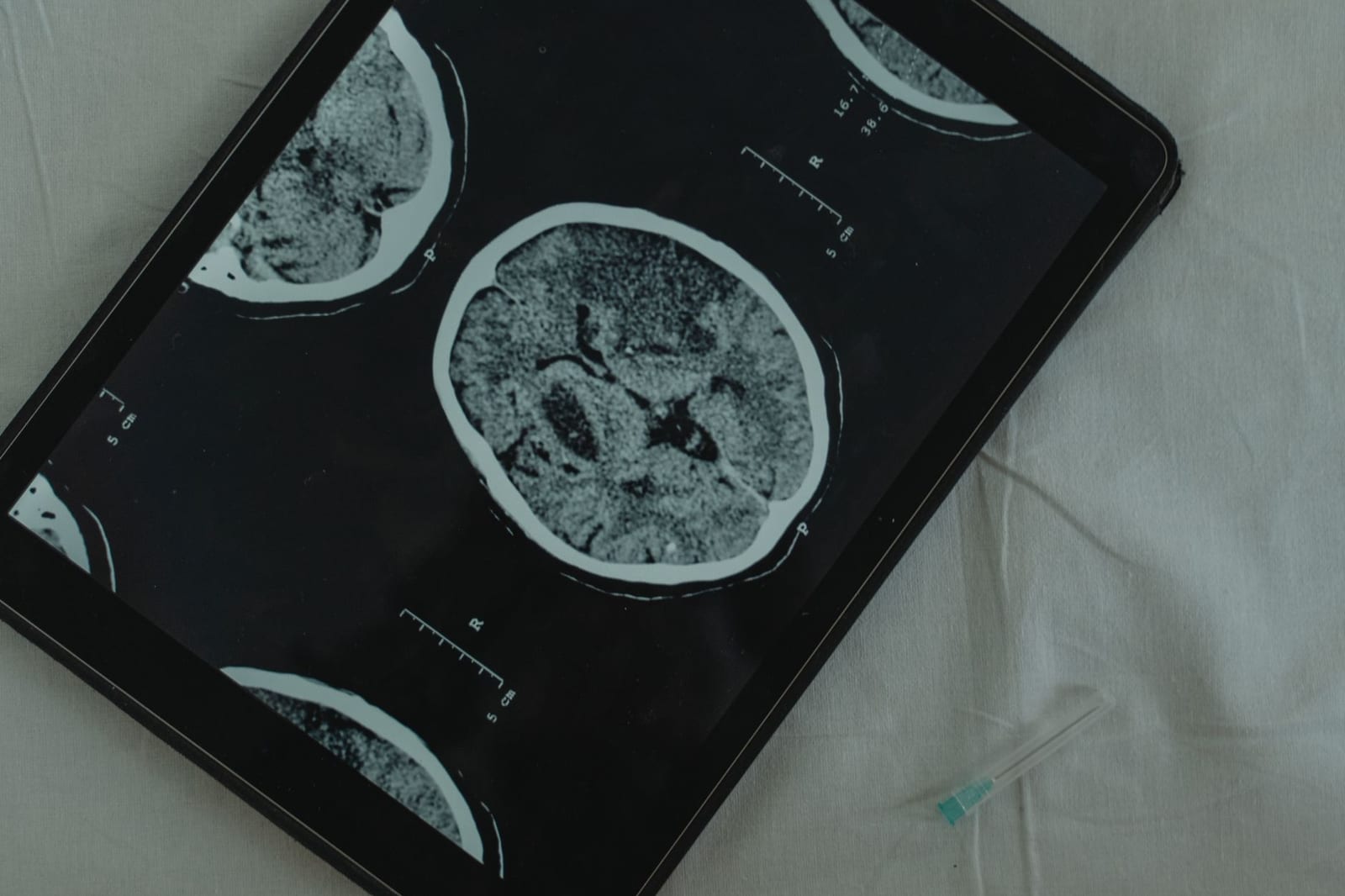
A Patient Walks in, and the Clock Starts
When someone comes in with sudden weakness, slurred speech, or a headache that feels different from any other, the instinct in the room is to move fast. Get imaging. Get labs. Get the story later. Speed matters, especially with stroke, where minutes decide outcomes.
But there is a step that happens before any of that, and it is the one I think gets undervalued most often: a focused, hands-on neurological exam, done carefully, before the order for imaging goes in.
It takes a few minutes. It does not need a machine. And it changes almost everything that follows.
What a Few Minutes at the Bedside Actually Buys You
A scan shows you a picture. It does not tell you how a patient's grip strength compares side to side, or whether their speech is slurred because of weakness in the mouth or because of a problem forming words. Those distinctions point to different parts of the brain, and sometimes to different diagnoses entirely.
I check pupils. I check how someone follows a finger with their eyes. I ask them to push and pull against my hands, to walk a few steps if they can, to repeat a phrase back to me. None of this is exotic. It is the same exam neurologists have done for decades. What makes it valuable is that it is done with attention, not rushed through as a formality before the real test happens.
It Catches Things a Scan Can Miss Early
Early imaging in a stroke can look normal even when something serious is happening. The exam does not wait for tissue changes to show up on a picture. A clear asymmetry in strength, a specific pattern of vision loss, a particular kind of speech difficulty: these tell a story about location and urgency before any image confirms it.
That matters for sequencing. It tells me what to look for on the scan, which study to prioritize, and how urgently to act while results are pending.
Why This Gets Skipped
In a busy department, there is pressure to lean on technology because it feels objective and fast. I understand the pull. Imaging and lab work are essential, and I rely on them every day. But they work best when they answer a question the exam already framed. Order them without that framing, and you get a longer list of findings with no clear priority among them.
The other reason this step gets rushed is that it requires sitting with discomfort for a moment. A patient is frightened. A family member is asking questions. It is tempting to say "we'll know more after the scan" and move to the next task. I think that instinct, while understandable, skips the part where a patient needs to feel looked at, not just processed.
The Trust It Builds
Patients and families remember being examined. They remember someone touching their hand, watching them walk, asking them to smile. It tells them someone is paying attention to them specifically, not just to a protocol. That matters for how they trust what comes next, including a diagnosis that may be hard to hear.
The Habit I Try to Keep
None of this is a new idea. It is closer to the opposite: a return to something basic that is easy to let slide when a room is full of equipment. I try to treat the exam as the first real diagnostic step, not a courtesy before the one that counts.
When I mentor younger physicians, this is one of the first things I watch for. Not whether they can read a scan well, which they usually can, but whether they take the time at the bedside first. The ones who do tend to ask better questions once the images come back, because they already have a working idea of what they are looking for.
A few minutes of careful attention at the start of a case rarely feels urgent in the moment. It is easy to treat as optional when there is a machine down the hall that promises an answer. But that small step is often what makes the rest of the workup make sense, and it is the part no scan can do on its own.